

How does PVC Leather Base Fabric compare to rubber - based materials in terms of flexibility?
Aug 14, 2025
Flexibility is a crucial characteristic when it comes to materials used in various industries, especially in the production of artificial leather. As a PVC Leather Base Fabric supplier, I've witnessed firsthand the diverse applications and performance of different materials. In this blog, I'll delve into how PVC Leather Base Fabric compares to rubber-based materials in terms of flexibility.
Understanding Flexibility in Materials
Flexibility refers to a material's ability to bend, stretch, and conform to different shapes without losing its integrity or functionality. In the context of artificial leather production, flexibility is essential for creating products that can be used in a wide range of applications, from furniture upholstery to automotive interiors. A flexible material can easily adapt to the contours of a surface, providing a smooth and seamless finish.

Flexibility of PVC Leather Base Fabric
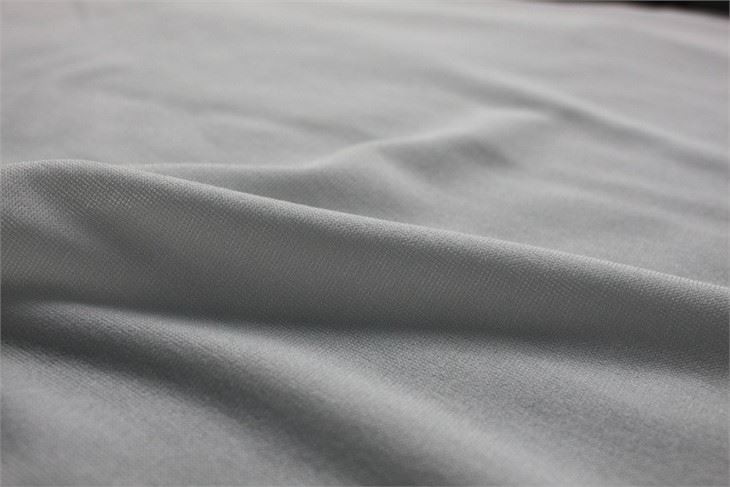
PVC Leather Base Fabric is known for its excellent flexibility. The fabric is typically made from a combination of polyester or other fibers, which provide a strong and stable base. The PVC coating on the fabric further enhances its flexibility, allowing it to bend and stretch without cracking or tearing.
One of the key advantages of PVC Leather Base Fabric is its ability to maintain its flexibility over a wide range of temperatures. Unlike some rubber-based materials, PVC Leather Base Fabric does not become brittle in cold temperatures or overly soft in hot temperatures. This makes it suitable for use in various environments, from cold storage facilities to tropical climates.
Another factor contributing to the flexibility of PVC Leather Base Fabric is its thin and lightweight nature. The fabric can be easily manipulated and shaped, making it ideal for applications that require intricate designs or tight curves. For example, in the production of automotive interiors, PVC Leather Base Fabric can be used to create custom-shaped seats and door panels with ease.
If you're interested in exploring our range of PVC Leather Base Fabric, you can check out our Polyester Backing Leather Upholstery Fabric and Fabric for PVC Artificial Leather. These products offer high flexibility and are suitable for a variety of applications.
Flexibility of Rubber-Based Materials
Rubber-based materials also possess a certain degree of flexibility. Natural rubber, in particular, is known for its high elasticity and ability to stretch and recover its shape. Synthetic rubbers, such as neoprene and nitrile rubber, also offer good flexibility and are often used in applications where resistance to chemicals, oils, or abrasion is required.
However, rubber-based materials have some limitations when it comes to flexibility. One of the main issues is their sensitivity to temperature changes. In cold temperatures, rubber can become stiff and lose its flexibility, making it difficult to bend or shape. In hot temperatures, rubber can become soft and sticky, which can affect its performance and durability.
Another drawback of rubber-based materials is their relatively high weight and thickness. Compared to PVC Leather Base Fabric, rubber-based materials are often bulkier and heavier, which can limit their use in applications where weight and space are critical factors. For example, in the aerospace industry, where weight reduction is a top priority, PVC Leather Base Fabric may be a more suitable choice than rubber-based materials.
Comparing the Flexibility of PVC Leather Base Fabric and Rubber-Based Materials
When comparing the flexibility of PVC Leather Base Fabric and rubber-based materials, several factors need to be considered.
Temperature Resistance: As mentioned earlier, PVC Leather Base Fabric offers better temperature resistance than rubber-based materials. It can maintain its flexibility over a wider range of temperatures, making it more suitable for use in extreme environments.
Elasticity and Recovery: Rubber-based materials generally have higher elasticity and can stretch further than PVC Leather Base Fabric. However, PVC Leather Base Fabric can still provide sufficient flexibility for most applications, especially when combined with a suitable backing or reinforcement material.
Weight and Thickness: PVC Leather Base Fabric is thinner and lighter than rubber-based materials, which gives it an advantage in applications where weight and space are limited. It can also be more easily manipulated and shaped, making it ideal for intricate designs.
Durability and Resistance: PVC Leather Base Fabric offers good resistance to abrasion, chemicals, and UV radiation, which can help maintain its flexibility and performance over time. Rubber-based materials may require additional protection or treatment to enhance their durability and resistance.
Applications of PVC Leather Base Fabric and Rubber-Based Materials Based on Flexibility
The flexibility of a material plays a crucial role in determining its suitability for different applications. Here are some examples of how PVC Leather Base Fabric and rubber-based materials are used based on their flexibility:
Furniture Upholstery: PVC Leather Base Fabric is widely used in furniture upholstery due to its flexibility and ability to conform to different shapes. It can be used to create comfortable and stylish furniture pieces, such as sofas, chairs, and ottomans. Rubber-based materials may also be used in furniture upholstery, but they are more commonly used in applications where additional cushioning or support is required.
Automotive Interiors: In the automotive industry, PVC Leather Base Fabric is a popular choice for creating seats, door panels, and dashboard covers. Its flexibility allows it to fit snugly around the contours of the vehicle's interior, providing a seamless and comfortable finish. Rubber-based materials may be used in some automotive applications, such as gaskets and seals, where their elasticity and resistance to fluids are required.
Footwear: Both PVC Leather Base Fabric and rubber-based materials are used in the footwear industry. PVC Leather Base Fabric is often used for shoe uppers, as it offers flexibility and a wide range of colors and finishes. Rubber-based materials are commonly used for shoe soles, as they provide good traction and durability.
Industrial Applications: In the industrial sector, PVC Leather Base Fabric is used in a variety of applications, such as conveyor belts, protective covers, and insulation materials. Its flexibility allows it to adapt to different shapes and sizes, making it suitable for use in complex machinery and equipment. Rubber-based materials are also used in industrial applications, especially in areas where resistance to chemicals, oils, or high temperatures is required.
If you're looking for a high-quality PVC Leather Base Fabric for your automotive upholstery needs, you can explore our Car Upholstery PVC Leather Substrate. This product offers excellent flexibility and is designed to meet the demanding requirements of the automotive industry.
Conclusion
In conclusion, both PVC Leather Base Fabric and rubber-based materials offer a certain degree of flexibility, but they have different characteristics and limitations. PVC Leather Base Fabric provides good temperature resistance, thinness, and lightweight, making it suitable for a wide range of applications where flexibility is required. Rubber-based materials, on the other hand, offer high elasticity and are often used in applications where resistance to chemicals, oils, or abrasion is important.
As a PVC Leather Base Fabric supplier, I believe that PVC Leather Base Fabric offers a unique combination of flexibility, durability, and cost-effectiveness. It is a versatile material that can be used in various industries, from furniture and automotive to footwear and industrial applications.
If you're interested in learning more about our PVC Leather Base Fabric products or have any questions about their flexibility and suitability for your specific application, please don't hesitate to contact us. We'll be happy to provide you with detailed information and assistance in selecting the right material for your needs.
References
- "Handbook of Synthetic Leather" by J. P. R. de Oliveira and M. C. S. Costa
- "Polymer Science and Technology" by Charles E. Carraher Jr.
- "Rubber Technology" by Maurice Morton