

How to store polyester backing cloth?
Aug 27, 2025
Polyester backing cloth is a versatile and widely used material in various industries, especially in the production of synthetic leather. As a supplier of Polyester Backing Cloth, I understand the importance of proper storage to maintain its quality and performance. In this blog post, I will share some valuable insights on how to store polyester backing cloth effectively.
Understanding Polyester Backing Cloth
Before delving into the storage methods, it's essential to understand the characteristics of polyester backing cloth. Polyester is a synthetic fiber known for its durability, strength, and resistance to wrinkles, shrinking, and mildew. Polyester backing cloth is often used as a substrate for PU Leather Substrate Cloth and Milk Silk PU Leather Substrate Fabric, providing support and stability to the final product.
Factors Affecting Polyester Backing Cloth Storage
Several factors can affect the quality of polyester backing cloth during storage. These include temperature, humidity, light, and exposure to chemicals. Understanding these factors is crucial for implementing the right storage practices.
Temperature
Extreme temperatures can cause the polyester fibers to expand or contract, leading to changes in the cloth's dimensions and texture. High temperatures can also accelerate the aging process of the cloth, making it more brittle and prone to damage. On the other hand, low temperatures can make the cloth stiff and difficult to handle.
Humidity
Excessive humidity can promote the growth of mold and mildew on the polyester backing cloth, which can not only damage the cloth but also pose a health risk. Low humidity, on the other hand, can cause the cloth to become dry and static-prone, increasing the risk of electrostatic discharge and damage to the fibers.
Light
Prolonged exposure to sunlight or other sources of ultraviolet (UV) light can cause the polyester backing cloth to fade, discolor, and weaken. UV rays can break down the chemical bonds in the polyester fibers, reducing their strength and durability.
Chemicals
Exposure to chemicals such as solvents, detergents, and acids can damage the polyester backing cloth. These chemicals can react with the polyester fibers, causing them to dissolve, discolor, or become brittle.
Best Practices for Storing Polyester Backing Cloth
Based on the factors mentioned above, here are some best practices for storing polyester backing cloth:
Choose the Right Storage Location
Select a storage area that is cool, dry, and well-ventilated. Avoid storing the cloth in areas prone to temperature fluctuations, high humidity, or direct sunlight. A temperature range of 60°F to 70°F (15°C to 21°C) and a relative humidity of 40% to 60% are ideal for storing polyester backing cloth.
Use Appropriate Packaging
Package the polyester backing cloth in airtight containers or plastic bags to protect it from dust, moisture, and light. If possible, use opaque or UV-resistant packaging to prevent UV damage. Label the packages clearly with the product name, lot number, and date of storage to facilitate inventory management.
Store the Cloth Flat or on Rolls
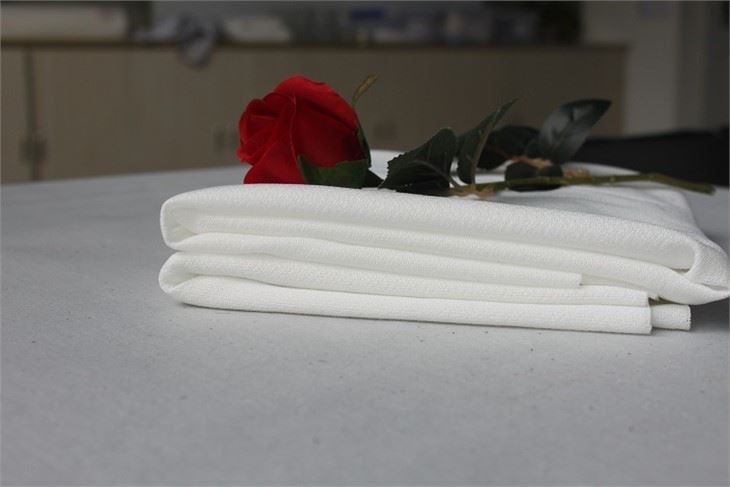
If the polyester backing cloth is stored on rolls, make sure the rolls are supported properly to prevent them from collapsing or deforming. Avoid stacking the rolls too high, as this can cause the cloth at the bottom to become compressed and damaged. If the cloth is stored flat, place it on a clean, dry surface and cover it with a protective layer to prevent dust and dirt from accumulating.
Keep the Storage Area Clean
Regularly clean the storage area to remove dust, dirt, and debris. Use a vacuum cleaner or a damp cloth to clean the shelves, floors, and walls. Avoid using harsh chemicals or abrasive cleaners, as these can damage the polyester backing cloth.
Inspect the Cloth Regularly
Periodically inspect the polyester backing cloth for signs of damage, such as mold, mildew, discoloration, or tears. If any damage is detected, take appropriate measures to address it immediately. This may include cleaning the cloth, treating it with a fungicide or disinfectant, or replacing the damaged portion.
Additional Tips for Long-Term Storage
If you need to store polyester backing cloth for an extended period, consider the following additional tips:

Add Desiccants
Place desiccant packets inside the storage containers or plastic bags to absorb moisture and prevent the growth of mold and mildew. Silica gel is a commonly used desiccant that can effectively absorb moisture from the air.
Rotate the Inventory
To ensure the quality of the polyester backing cloth, rotate the inventory regularly. Use the oldest stock first and replenish it with new stock. This helps to prevent the cloth from sitting in storage for too long and reduces the risk of damage.
Store in a Fireproof Area
In case of a fire, polyester backing cloth can be highly flammable. Therefore, it's important to store the cloth in a fireproof area and ensure that the storage area is equipped with appropriate fire protection equipment, such as fire extinguishers and smoke detectors.
Conclusion
Proper storage of polyester backing cloth is essential for maintaining its quality and performance. By understanding the factors that can affect the cloth during storage and implementing the best practices outlined in this blog post, you can ensure that your polyester backing cloth remains in excellent condition until it is ready to be used.
If you are interested in purchasing high-quality polyester backing cloth or have any questions about its storage or usage, please feel free to contact us. We are a leading supplier of Polyester Backing Cloth and other synthetic leather substrates, and we are committed to providing our customers with the best products and services.
References
- "Polyester Fiber: Properties, Production, and Applications." Encyclopedia of Polymer Science and Technology, John Wiley & Sons, Inc., 2003.
- "Storage and Handling of Textiles." Textile Institute, Manchester, UK, 2005.
- "Best Practices for Storing Synthetic Fibers." Journal of Textile Science and Technology, vol. 12, no. 3, 2018, pp. 45-52.