

How to test the quality of PU Leather Knit Backing?
May 20, 2025
As a supplier of PU Leather Knit Backing, ensuring the quality of our products is of utmost importance. High - quality PU Leather Knit Backing not only meets the diverse needs of our customers but also helps to build a long - standing reputation in the market. In this blog, I will share with you some effective ways to test the quality of PU Leather Knit Backing.
Physical Appearance Inspection
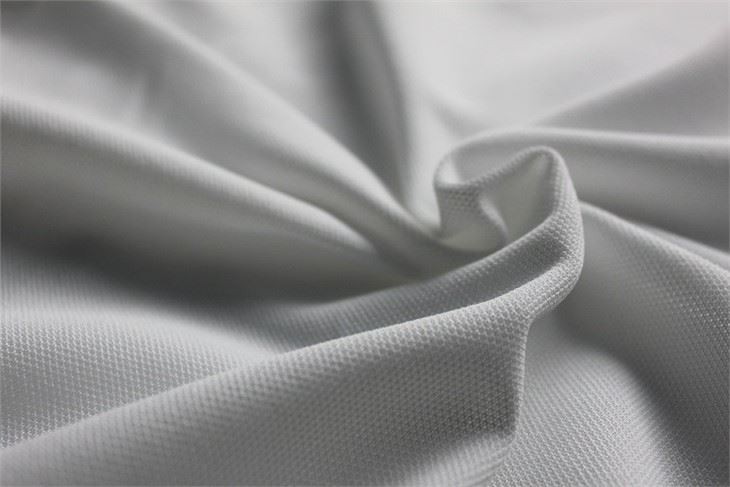
The first step in testing the quality of PU Leather Knit Backing is a visual inspection. A high - quality product should have a uniform color. Any obvious color differences, stains, or discolorations can be signs of poor quality. For example, if there are patches of different shades on the backing, it may indicate uneven dyeing during the manufacturing process.
The surface texture also matters. The knit backing should have a smooth and consistent texture. Rough or bumpy areas can affect the adhesion of the PU layer and the overall performance of the leather. When you run your hand over the surface, it should feel soft yet firm, without any sharp edges or loose fibers. If you find loose threads or frayed edges, it might suggest a problem with the knitting process or the quality of the raw materials used.
Tensile Strength Test
Tensile strength is a crucial parameter for PU Leather Knit Backing. It measures the ability of the backing to withstand pulling forces without breaking. To conduct a tensile strength test, you can use a tensile testing machine.
First, cut the sample of the PU Leather Knit Backing into a standard size, usually a rectangular strip with specific dimensions. Then, grip the two ends of the sample firmly in the jaws of the testing machine. The machine will gradually apply a pulling force until the sample breaks. The maximum force applied at the point of breakage is recorded as the tensile strength.
A high - quality PU Leather Knit Backing should have sufficient tensile strength to withstand the stresses it will encounter during normal use. For example, in applications where the leather is used for furniture upholstery, it needs to be able to resist the pulling and stretching forces when people sit or move on the furniture. Generally, the higher the tensile strength, the better the quality of the backing. You can refer to industry standards to determine if the measured tensile strength meets the requirements.
Abrasion Resistance Test
Abrasion resistance is another important quality indicator. The PU Leather Knit Backing may be subject to friction in various applications, such as in automotive interiors or footwear. To test the abrasion resistance, you can use an abrasion tester.
Place the sample of the backing on the tester and use a specific abrasive material to rub against the surface of the sample for a set number of cycles. After the test, examine the surface of the sample for signs of wear, such as loss of the PU layer, fraying of the knit backing, or changes in the surface texture.
A good - quality PU Leather Knit Backing should be able to withstand a certain number of abrasion cycles without significant damage. If the backing shows excessive wear after a relatively small number of cycles, it may not be suitable for applications where high abrasion resistance is required. For instance, in a car seat, the leather backing needs to resist the friction caused by people getting in and out of the car over a long period of time.
Adhesion Test
The adhesion between the PU layer and the knit backing is critical for the overall performance of the product. A poor adhesion can lead to delamination, where the PU layer separates from the backing.
One way to test the adhesion is the peel test. Cut a small strip of the PU Leather Knit Backing and use a suitable tool to try to peel the PU layer from the backing. Measure the force required to start and continue the peeling process. A high - quality product should have a strong adhesion, meaning that a relatively large force is needed to separate the two layers.
Another method is the cross - cut test. Make a series of small cuts in a cross - hatch pattern on the surface of the PU layer, going through to the backing. Then, apply a piece of adhesive tape over the cross - hatched area and quickly pull it off. Examine the number of squares of the PU layer that remain attached to the backing. If a large number of squares come off with the tape, it indicates poor adhesion.
Chemical Resistance Test
In some applications, the PU Leather Knit Backing may come into contact with various chemicals, such as cleaning agents or body oils. Therefore, it is important to test its chemical resistance.
You can soak samples of the backing in different chemical solutions for a certain period of time. Common chemicals used for testing include water, alcohol, and mild detergents. After soaking, remove the samples, rinse them with clean water, and dry them. Then, check for any changes in the appearance, such as swelling, discoloration, or loss of strength.
For example, if the backing is used in a bathroom environment, it should be able to resist the effects of water and mild soaps. A high - quality product will show minimal changes after being exposed to these chemicals, indicating good chemical resistance.
Breathability Test
Breathability is an important factor, especially in applications where comfort is a concern, such as in clothing or footwear. To test the breathability of the PU Leather Knit Backing, you can use a moisture permeability tester.
The tester measures the rate at which moisture vapor can pass through the backing. A higher moisture permeability rate indicates better breathability. Good breathability allows air and moisture to circulate, reducing the feeling of dampness and discomfort when the leather is in contact with the skin.
Environmental Resistance Test
PU Leather Knit Backing may be exposed to different environmental conditions, such as sunlight, heat, and humidity. UV resistance is particularly important, as prolonged exposure to sunlight can cause the backing to fade, become brittle, or lose its strength.
To test the UV resistance, you can use a UV aging tester. Place the samples in the tester and expose them to artificial UV light for a specific period of time. After the test, check for any changes in color, surface texture, or mechanical properties.
Similarly, you can conduct heat and humidity tests. Place the samples in a controlled environment chamber with high temperature and humidity levels for a certain period. Then, examine the samples for signs of deformation, mold growth, or changes in strength.
As a supplier of [PU Leather Knit Backing]( /synthetic - leather - substrate/pu - leather - substrate/pu - leather - knit - backing.html), we are committed to providing high - quality products that meet or exceed industry standards. Our [100% Polyester Backing for PU Leather]( /synthetic - leather - substrate/pu - leather - substrate/100 - polyester - backing - for - pu - leather.html) and [Polyester Backing Cloth]( /synthetic - leather - substrate/pu - leather - substrate/polyester - backing - cloth.html) also undergo rigorous quality testing to ensure their performance.
If you are interested in our products or have any questions about the quality testing of PU Leather Knit Backing, we welcome you to contact us for further discussion and potential procurement. We are always ready to provide you with detailed product information and support to meet your specific needs.
References
- ASTM International. (Year). Standard test methods for various properties of textiles and synthetic materials.
- ISO Standards. (Year). International standards for the testing of leather and related products.