

What are the effects of knit backing on the static - electricity generation of PU leather?
Dec 01, 2025
Yo, what's up everyone! I'm a supplier of Knit Backing for PU Leather, and today I wanna chat about the effects of knit backing on the static-electricity generation of PU leather. It's a topic that might not seem super exciting at first glance, but trust me, it's important in the leather industry.
First off, let's quickly talk about what PU leather and knit backing are. PU leather, or polyurethane leather, is a synthetic alternative to real leather. It's widely used in various industries like fashion, automotive, and furniture because it's more affordable and easier to maintain compared to genuine leather. Now, knit backing is a type of fabric that's attached to the back of the PU leather. It provides support, improves the feel, and can also affect some of the leather's properties.
So, how does knit backing impact static-electricity generation in PU leather? Well, static electricity is basically an imbalance of electric charges within or on the surface of a material. When two materials come into contact and then separate, electrons can be transferred from one to the other, creating a static charge.
One of the key factors is the material of the knit backing. For example, 100% Polyester Backing for PU Leather has different electrical properties compared to other materials. Polyester is a synthetic fiber, and it tends to generate and hold static charges more easily than some natural fibers. This means that if you use a 100% polyester knit backing for your PU leather, there's a higher chance of static electricity being produced.
On the other hand, if you choose a knit backing made from natural fibers like cotton, the static-electricity generation might be reduced. Cotton is more conductive than polyester, which allows the static charges to dissipate more quickly. So, when the PU leather with a cotton knit backing rubs against other materials, the static charge doesn't build up as much.
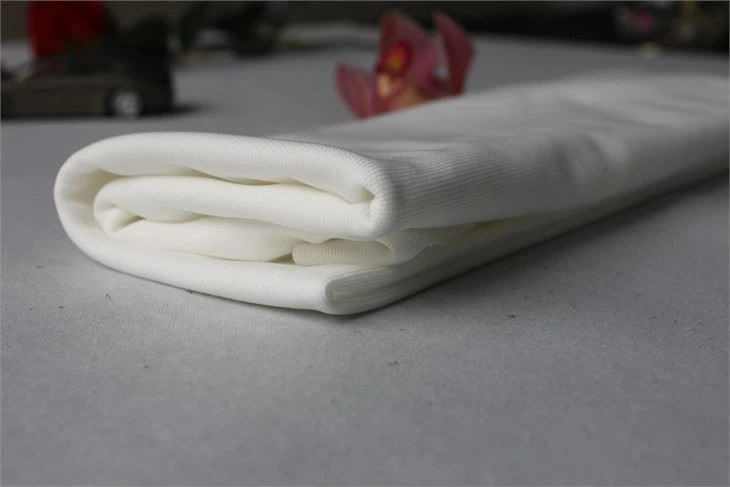

The structure of the knit backing also plays a role. A tightly knit backing can create more friction when it comes into contact with other surfaces. This increased friction can lead to more electron transfer and thus more static electricity. In contrast, a looser knit backing might have less contact area and less friction, resulting in less static charge generation.
Another aspect is the moisture content. Materials tend to conduct electricity better when they're moist. If the knit backing has a higher moisture content, it can act as a conductor and help dissipate the static charges. For instance, in a humid environment, the static-electricity generation in PU leather with a knit backing might be lower because the moisture in the air and the backing helps to neutralize the charges.
Now, let's talk about why this matters. In the fashion industry, static electricity in PU leather can be a real pain. It can cause the leather to stick to clothes or even give a small shock to the wearer. This is definitely not a good look or feeling for customers. In the automotive industry, static electricity can attract dust and dirt to the seats, making them look dirty and reducing their lifespan. And in the furniture industry, static charges can make the PU leather upholstery uncomfortable to sit on and can also damage electronic devices nearby.
As a supplier of Knit Backing for PU Leather, I understand the importance of providing the right backing to meet different needs. We offer a variety of knit backings with different materials, structures, and properties. Whether you're looking to reduce static electricity or enhance other features of the PU leather, we've got you covered.
If you're in the market for PU Leather Substrate Fabric, you should consider the impact of the knit backing on static-electricity generation. It's not something to overlook because it can have a big influence on the performance and user experience of the final product.
So, if you're interested in our knit backings or have any questions about how they can affect the static-electricity generation of your PU leather, don't hesitate to reach out. We're here to help you make the best choice for your business. Whether you're a small fashion brand or a large automotive manufacturer, we can work together to find the perfect solution.
We're always happy to have a chat about your specific requirements and see how we can customize our products to fit your needs. You can start a conversation with us to discuss the possibilities and get a better understanding of how our knit backings can enhance your PU leather products.
In conclusion, the knit backing has a significant impact on the static-electricity generation of PU leather. By choosing the right backing material, structure, and considering factors like moisture content, you can control and reduce static charges. This not only improves the quality and performance of the PU leather but also enhances the user experience. So, if you're in the business of using or producing PU leather, it's definitely worth paying attention to this aspect.
References
- "Static Electricity in Polymers" - A general overview of static electricity in polymer materials, which includes information relevant to PU leather and its backing.
- "Textile Materials and Their Electrical Properties" - This resource provides in - depth knowledge about how different textile materials, like those used in knit backings, interact with electricity.